

In the world of construction and industrial safety, the hard hat is the undisputed symbol of protection. However, not all hard hats are created equal. Beneath the surface of these seemingly simple pieces of headwear lies a critical distinction defined by the ANSI/ISEA Z89.1 standard: the difference between Type I and Type II head protection.
Understanding this difference is not just an exercise in compliance—it’s about safeguarding workers against the full spectrum of hazards they face daily.
The Fundamental Difference: Top vs. Multi-Directional Impact
The core of the ANSI/ISEA Z89.1 standard separates hard hats into two types based on the direction of impact they are designed to protect against.
Type I Hard Hats: Top Impact Only
- Design Focus: Designed to reduce the force of impact only from a blow to the top of the head.
- Protection Mechanism: Primarily protects against falling objects, such as tools, debris, or materials dropped from above.
- ANSI/ISEA Z89.1 Testing: Type I hats are rigorously tested by dropping a weighted penetrator directly onto the crown of the helmet. The goal is to ensure the suspension system and shell can absorb and deflect this specific, vertical energy.
Type II Hard Hats: Multi-Directional Impact
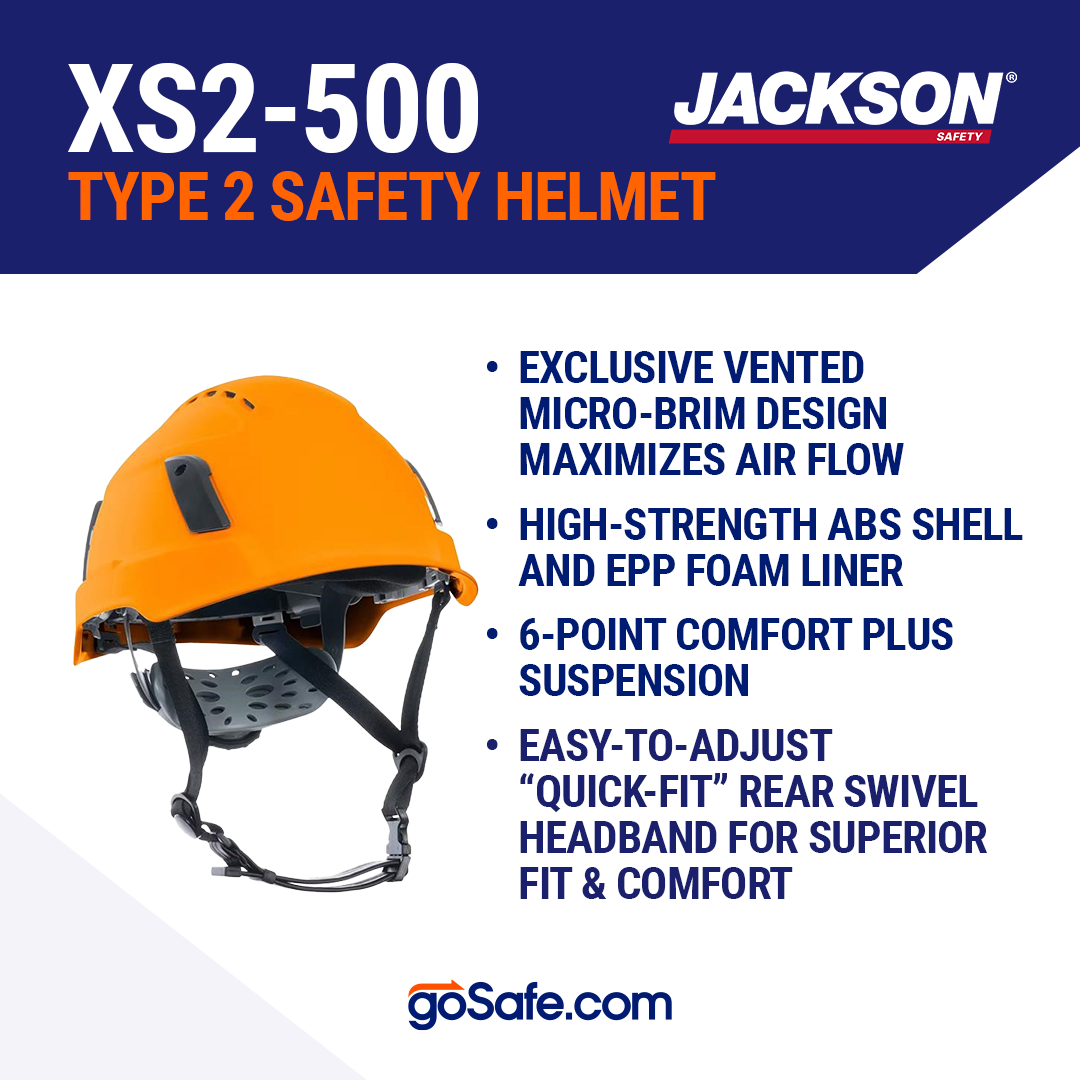
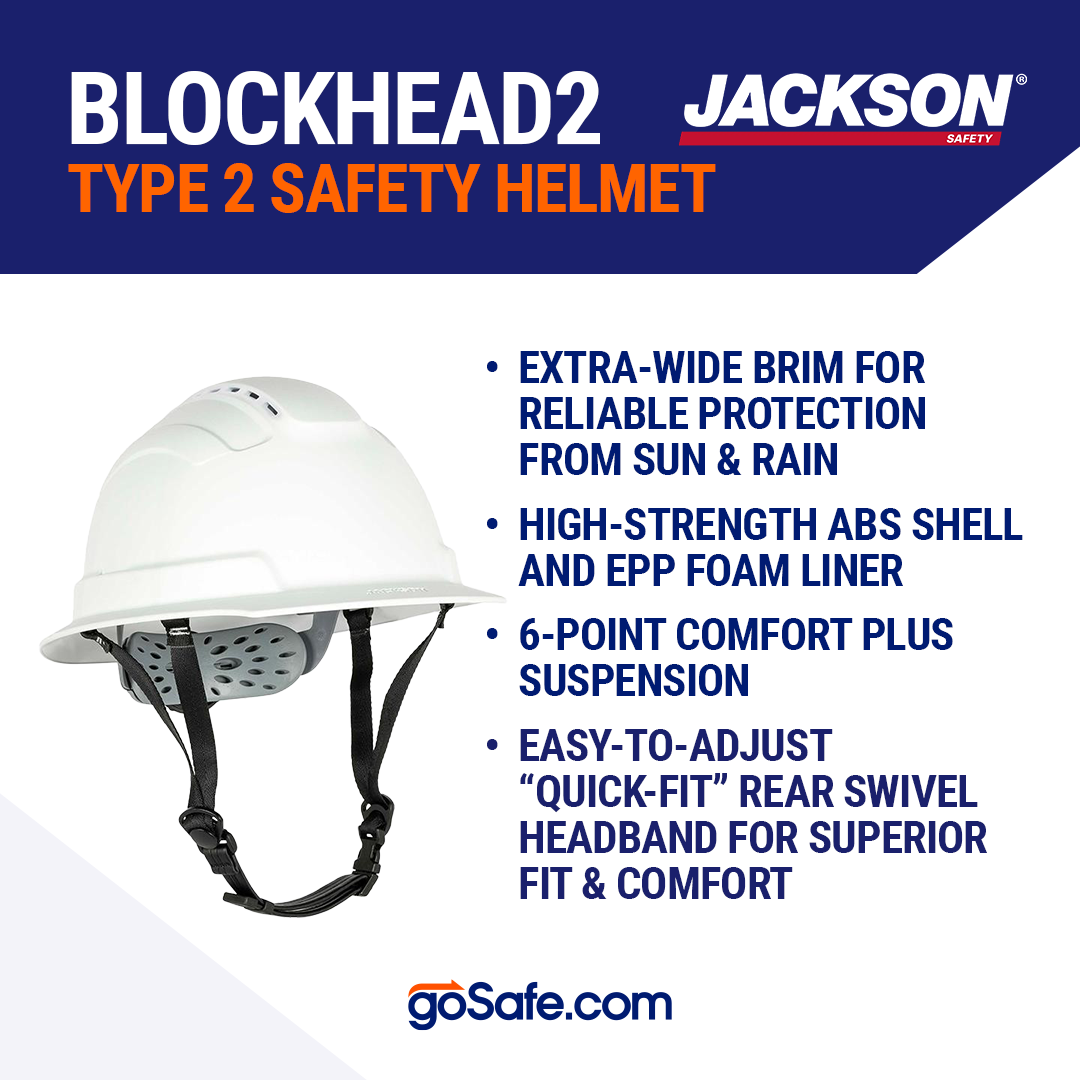
- Design Focus: Designed to reduce the force of impact from blows to the top, front, side, and rear of the head.
- Protection Mechanism: Offers comprehensive protection against falling objects and impacts resulting from slips, trips, falls, and dynamic movements where the head may strike a structural component, wall, or vehicle (lateral impacts).
- ANSI/ISEA Z89.1 Testing: Type II hats must pass the Type I top-impact test and additional tests for lateral impact, which often involves a test weight striking the helmet at an angle on the side or off-center. They are also tested for off-center penetration and proper chin strap retention.
The Critical Debate: Why Type I is Insufficient for Common Hazards
The overwhelming majority of hard hats used on job sites are Type I. While they excel at protecting against the classic scenario of a falling hammer, this protection is alarmingly incomplete when considering the most common construction site injuries.
The confusion and debate arise because a significant number of head injuries on site are not caused by objects falling directly onto the crown of the head, but rather by lateral impacts that occur during:
- Slips, Trips, and Falls: A worker slips on scaffolding and the side of their head strikes a steel beam.
- Walking into Objects: A worker bumps their head on a horizontal component of a structure, scaffolding, or piping while moving through a cramped space.
- Falls from Heights: The head strikes a surface during the course of a fall, often resulting in serious or fatal head injuries
- Vehicle Incidents: Being struck by a forklift or other moving equipment on the side of the head.
Type I hard hats offer minimal, if any, certified protection against these lateral/side impacts. Their suspension system is optimized for vertical energy dissipation, leaving the wearer vulnerable to concussions and serious injury from an oblique blow. They also come without retention straps and often fall off or are dislodged when they are needed most.
Type II hard hats address this by incorporating energy-absorbing features—similar to bicycle or ski helmets—that cover the interior of the shell to the sides and back, specifically designed to mitigate the forces of a multi-directional strike. They also (usually) incorporate retention straps to keep them on the user’s head during the course of any potentially injurious contact.
Beyond the Shell: The Role of Optional Chin Straps
One often-overlooked feature in the move towards multi-directional protection is the chin strap.
For a hard hat to protect against a blow, it must be securely on the worker's head. During a slip, trip, or fall, the sudden, dynamic movement of the body can easily dislodge a standard Type I hard hat.
The ANSI/ISEA Z89.1 standard includes an optional requirement for chin straps on Type II hard hats, designated by the "C" marking (e.g., Z89.1-2014 Type II, Class G, C).
- Chin Strap Function: The strap's role is to ensure the helmet remains in place during a fall or forceful movement, guaranteeing that the protective shell is positioned to absorb the inevitable impact. This is particularly crucial for workers at height or those engaged in active, dynamic tasks.
This feature is of extreme importance for workers at height. One out of three fatal falls is attributable to a head injury and Type II hard hats with chin straps could well reduce the number of fatal falls each year by a factor of up to 30%. There is also an opportunity to reduce the number of life-changing injuries that are experienced each year, providing more positive outcomes for literally tens of thousands of American workers.
Decoding the Hard Hat Label: Compliance and Classes
When purchasing head protection, you must look for the full marking printed on the inside of the shell to ensure compliance.
| Marking | Interpretation |
|
ANSI Z89.1-2014 |
The Standard Year (or newer, e.g., 2019) |
|
Type I or Type II |
Impact Direction (Top Only vs. Multi-Directional) |
|
Class G, E, or C |
Electrical Protection |
|
LT |
Low Temperature (optional) |
|
HT |
High Temperature (optional) |
|
C |
Chin Strap Required (optional, usually with Type II) |
*Electrical Classes:
- Class G (General): Good for general use; tested at 2,200 volts.
- Class E (Electrical): Best protection; tested at 20,000 volts.
- Class C (Conductive): Offers no electrical protection; typically vented metal or aluminum.
Conclusion: Future-Proofing Head Safety
The difference between a Type I and a Type II hard hat is a matter of outdated versus modern safety philosophy. While Type I has served the industry well for decades, the understanding of workplace dynamics and injury mechanisms clearly shows its limitations.
As an industry, moving toward Type II hard hats represents an essential step in future-proofing worker safety by acknowledging that hazards come from all directions, not just above. Prioritizing this multi-directional protection, often coupled with a secure chin strap, is the best way to safeguard the most vital asset on any job site: the human brain.
For more comprehensive information on Head and Face Protection, including Type 1 & II Helmets, Traumatic Brain Injury (TBI), MIPS Technology, and other related topics please CLICK HERE.
goSafe offers a wide variety of Head & Face Protection, and we feature an onsite Customization Department that can customize your head protection with your company logo. We also maintain a constant, ready-to-ship supply of FR Clothing and Safety Footwear. For more information on these products or any of our other safety and PPE products, please contact us at sales@gosafe.com.
goSafe: Your Partner in Safety
At goSafe, Safety is our ONLY focus - and we'll partner with you to keep you and your teams safe. We're small enough to handle your local projects, yet large enough to serve national accounts. If safety is your mission, it starts with us.
Watch the video below for more information about goSafe's capabilities.