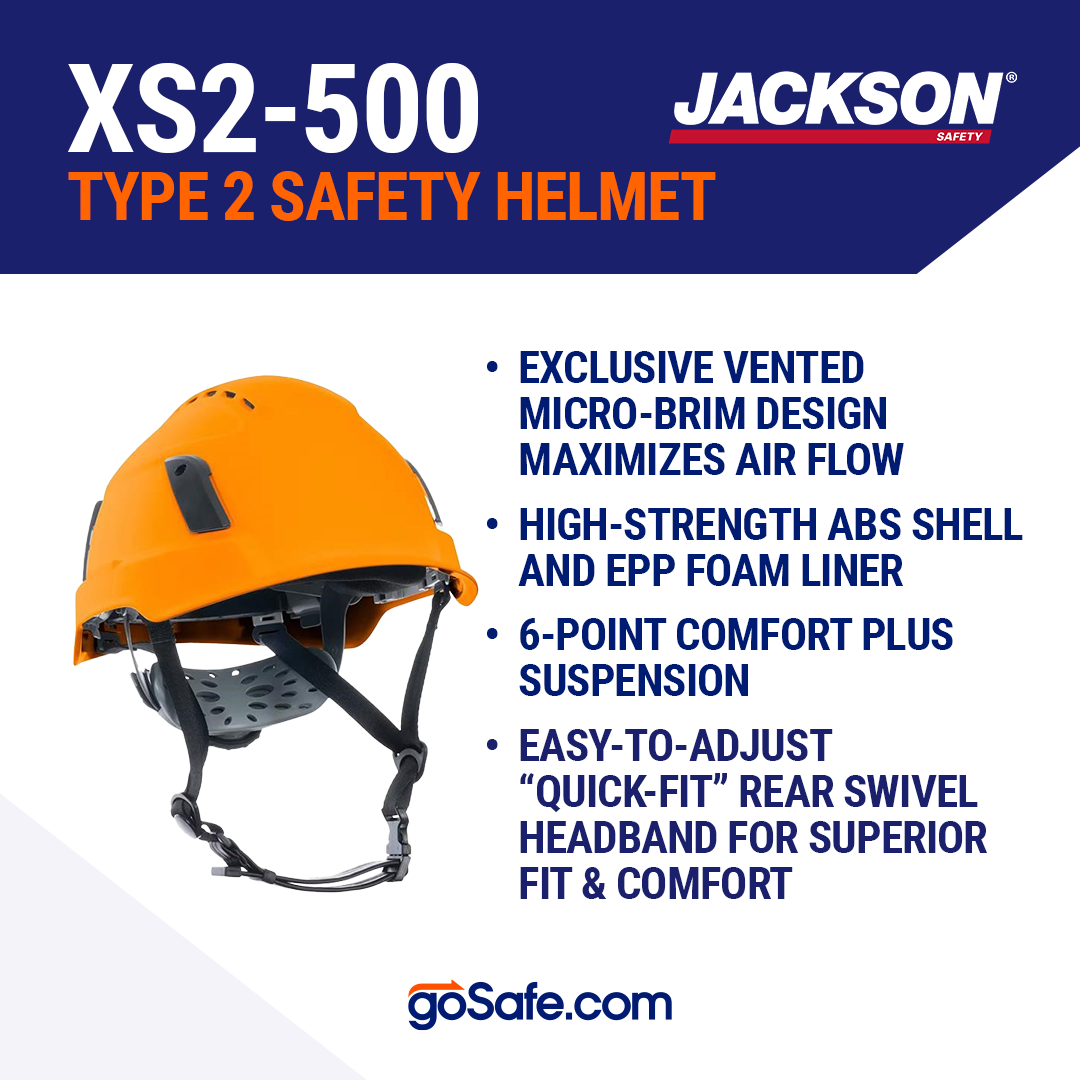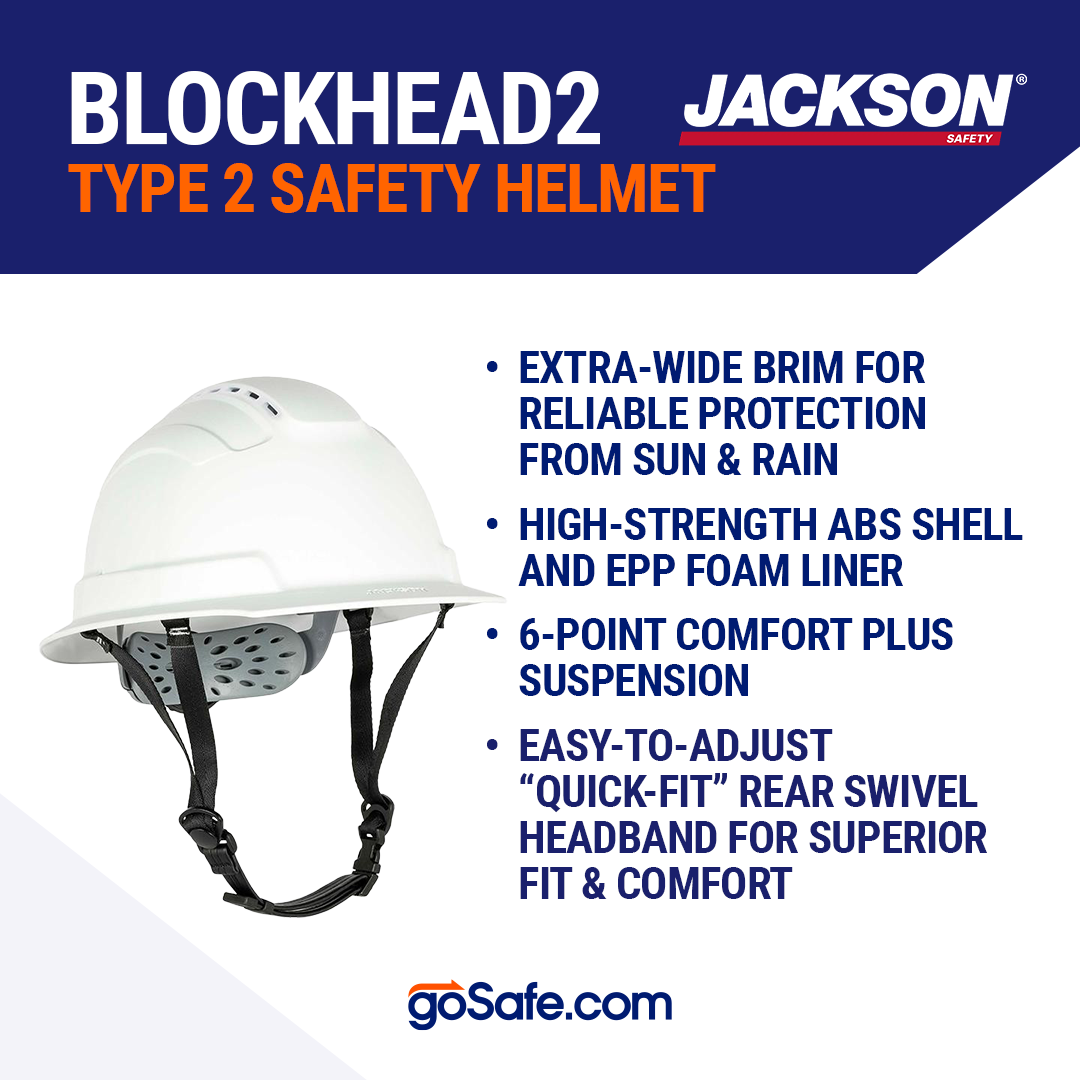


In industrial and construction environments, head protection is non-negotiable. However, a persistent confusion exists regarding what kind of head protection is necessary. This confusion centers on the humble bump cap—a piece of PPE that often looks like a stylish baseball cap but contains a thin plastic shell.
The debate over "bump cap vs. hard hat" is one of the most common, and potentially dangerous, misunderstandings in workplace safety. Too often, bump caps are viewed as a more comfortable, "good enough" substitute for a full hard hat.
This article aims to clarify the specific, limited role of bump caps, definitively state why they never replace an ANSI-rated helmet, and outline the regulatory realities governing their use.
The Danger of "Good Enough"
The appeal of bump caps is obvious. They are lightweight, often better ventilated, and look less "industrial" than a traditional hard hat. For workers doing strenuous tasks in hot environments, the temptation to swap a hard hat for a bump cap is high.
This led to widespread misuse, where workers in zones with overhead hazards are wearing PPE designed only for minor scrapes. It is vital to understand that a bump cap is not a "hard hat lite." They are fundamentally different tools designed for entirely different physical forces.
What a Bump Cap Is (And What It Isn’t)
To understand the limitations of a bump cap, you must understand its design intent.
A bump cap is designed solely to protect the wearer from minor bumps, lacerations, and abrasions caused by the worker’s head striking a stationary object. Think of walking into a low-hanging pipe, scraping your head while crawling under machinery, or bumping into a protruding beam in a tight space. The energy involved in these impacts is low, and it is generated by the worker moving, not the object.
A hard hat, by contrast, is engineered with a rigid shell and an internal suspension system designed to absorb the massive impact energy of a falling object, or to provide protection against electrical hazards.
The critical distinction is the direction of force:
- Bump Caps protect against you moving into something.
- Hard Hats protect against something moving into you (or falling on you).
If a wrench drops from two stories up, a bump cap will offer virtually no protection against a catastrophic brain injury or skull fracture. The thin shell will crack immediately, transferring the full force of the impact directly to the skull.
Standards and Compliance: The Hard Line
The distinction between these two types of PPE isn't just practical; it is regulatory.
In the United States, occupational head protection is governed by OSHA standard 29 CFR 1910.135. This standard requires employers to provide protective helmets where there is a potential for injury to the head from falling objects. It also requires helmets designed to reduce electrical shock hazards where those exist.
To meet this OSHA requirement, head protection must comply with consensus standards, specifically ANSI/ISEA Z89.1 (American National Standard for Industrial Head Protection).
Here is the definitive compliance reality:
Bump caps do NOT meet the requirements of ANSI Z89.1. Therefore, they do not satisfy OSHA requirements for environments where falling object hazards exist.
ANSI has a separate standard for "Industrial Bump Caps" (ISEA Z89.1-2014), which specifically defines them as intended to protect against the effects of striking the head against stationary objects. They are explicitly not intended to provide protection against falling objects or electrical shocks.
When Are Bump Caps Truly Appropriate?
If bump caps don't meet hard hat standards, why do they exist? Because in the right environment, they are excellent safety tools that prevent countless stitches and concussions.
Bump caps are appropriate only in work environments where a comprehensive risk assessment has determined there is zero risk of falling objects, flying projectiles, or electrical contact hazards to the head.
They are designed for tight quarters and low-clearance areas where the primary hazard is the worker bumping their own head.
Examples of appropriate applications include:
- Maintenance mechanics working underneath vehicles or inside large machinery where quarters are tight.
- Airline baggage handlers working in cargo holds with low ceilings.
- Food processing or manufacturing workers navigating around complex conveyor systems and low-hanging stationary equipment.
- Plumbers or electricians working in crawl spaces or attics (provided there are no exposed electrical hazards overhead that require a Class G or E hard hat).
- Meter readers entering low-clearance basements.
Managing the Use via the Job Hazard Analysis (JHA)
The decision to allow bump caps should never be based on worker preference or comfort alone. It must be a data-driven decision based on a Job Hazard Analysis (JHA) or Risk Assessment.
If the site's JHA identifies any potential for falling objects—tools dropped from scaffolding, materials shifting on high shelves, debris falling from a floor above—a hard hat is mandatory. The conversation ends there.
However, if the JHA confirms the only head hazards are stationary, low-energy bumps in confined areas, specifying a bump cap is not only acceptable, it may be preferred as it increases worker comfort and compliance in tight spaces.
Conclusion: Future-Proofing Head Safety
Treating a bump cap as a substitute for a hard hat is a gamble with catastrophic stakes. Safety managers must be rigid in enforcing the distinction. Bump caps have a valuable role in preventing minor injuries in specific, low-hazard environments. But in the general construction or industrial landscape, where gravity and heavy objects are constant threats, only an ANSI-rated hard hat provides the necessary line of defense.
For more comprehensive information on Head and Face Protection, including Type 1 & II Helmets, Traumatic Brain Injury (TBI), MIPS Technology, and other related topics please CLICK HERE. To visit our Head & Face Protection FAQ page, CLICK HERE.
goSafe offers a wide variety of Head & Face Protection, and we feature an onsite Customization Department that can customize your head protection with your company logo. We also maintain a constant, ready-to-ship supply of FR Clothing and Safety Footwear. For more information on these products or any of our other safety and PPE products, please contact us at sales@gosafe.com.
goSafe: Your Partner in Safety
At goSafe, Safety is our ONLY focus - and we'll partner with you to keep you and your teams safe. We're small enough to handle your local projects, yet large enough to serve national accounts. If safety is your mission, it starts with us.
Watch the video below for more information about goSafe's capabilities.