

For decades, the traditional hard hat—a plastic shell suspended above the head—has been the universal symbol of safety on the job site. Yet, across construction, oil and gas, utilities, and general industry, a revolution is underway: the rapid shift toward modern safety helmets.
This push is driven by several factors: First, we have a deeper understanding of head injury mechanisms (particularly lateral impacts and rotational forces) Additionally, the work-at-height community has been severely affected, with approximately one out of three fatal falls being attributable to head injuries. Finally, advanced helmet designs have been introduced with demonstrably superior protection, retention systems and a host of convenience features which greatly increase their appeal.
The Great Debate: Hard Hat vs. Safety Helmet
The confusion stems from a lack of clear differentiation in the industry standard. Both hard hats and safety helmets must comply with the ANSI/ISEA Z89.1 standard. The true distinction lies in the Type and features of protection they are designed and tested to provide.
| Standard | Protection Coverage | Key Focus | Traditional Hard Hat | Modern Safety Helmet |
|
Type 1 |
Top of the head only |
Protection against vertical impact (falling objects). |
Common |
Available |
|
Type II |
Top and Lateral (Side) Impact |
Protection against vertical, front, back, and side impacts. Essential for mitigating risks from lateral blows or glancing contact. |
Rare |
Common |
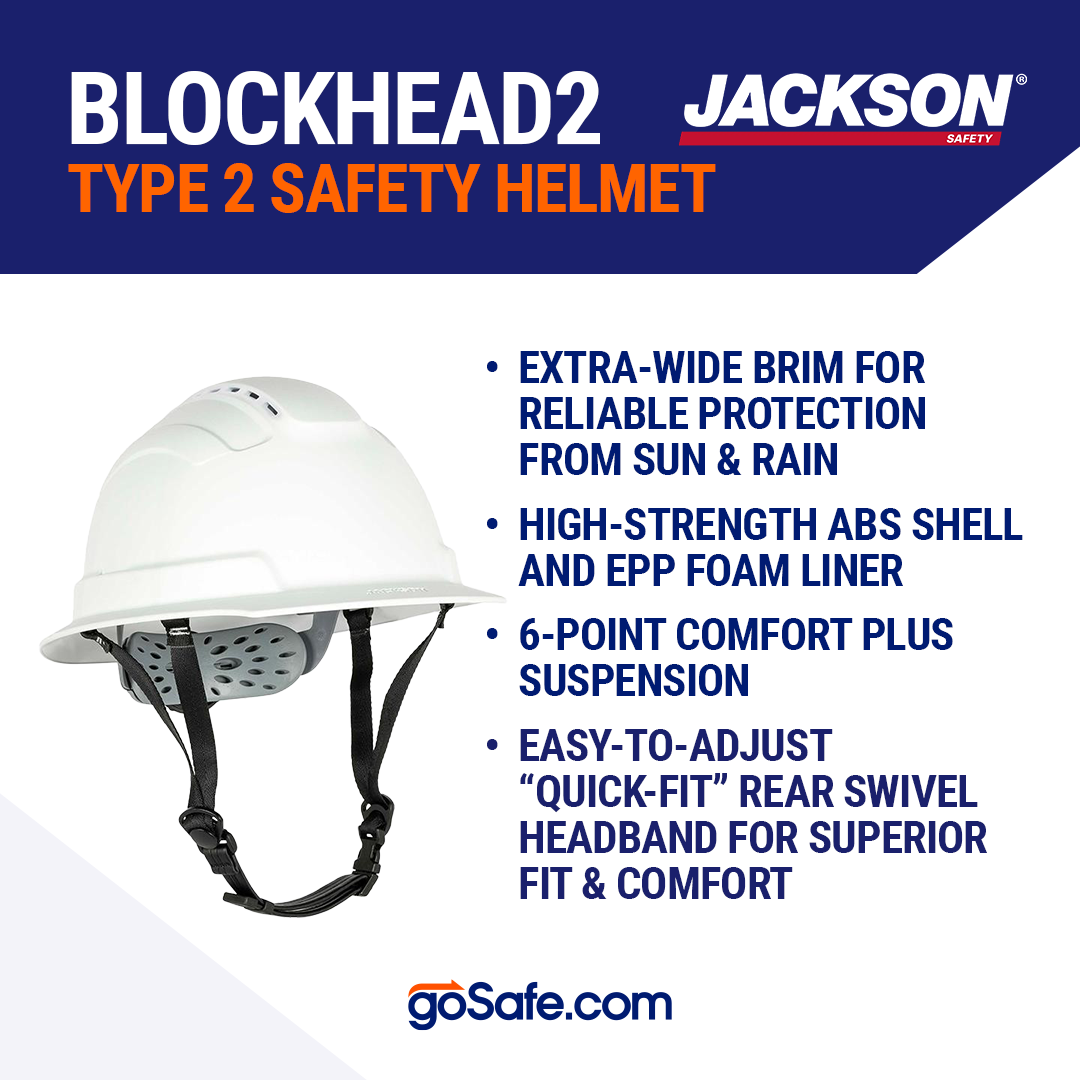
The traditional hard hat is typically a Type I device, excelling at protecting the crown of the head from falling debris. However, its suspension system often allows it to easily fall off during a slip or trip, and it provides minimal to no protection against lateral impacts—a leading cause of traumatic brain injuries.
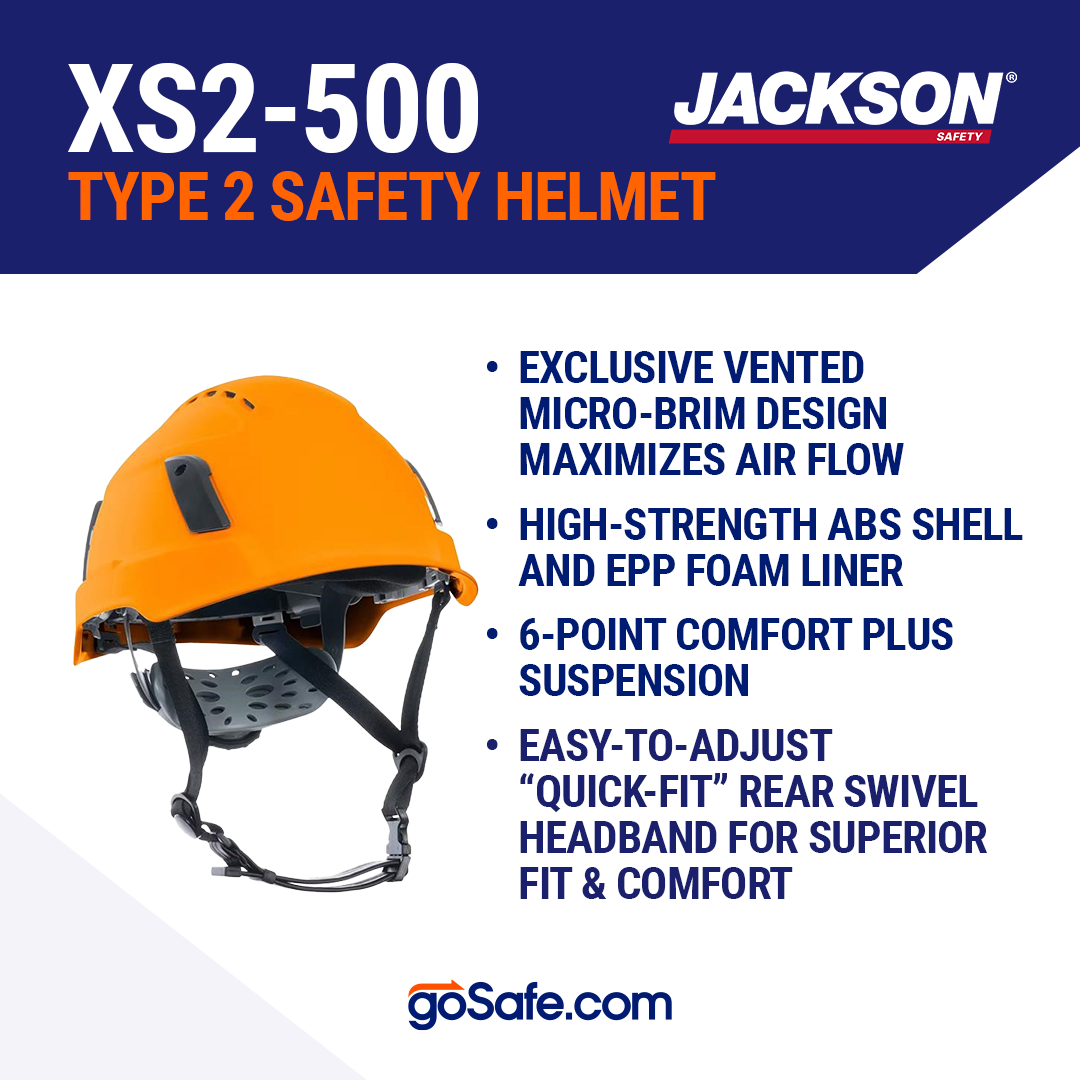
The modern safety helmet, often featuring a low-profile, climbing-style shell, is more frequently certified as Type II.
Key Advantages of Modern Safety Helmets
- Secure Fit: They almost universally include a chin strap, which is often required for Type II testing (though not mandatory for all Type II) and is essential for keeping the helmet secure during a fall, preventing it from coming off when a worker slips, trips, or falls from height.
- Lateral Protection: They incorporate energy-absorbing features, providing protection against impacts to the front, sides, and rear of the head (Type II).
- Enhanced Integration: They are often designed with easy, secure integration points for modular accessories like face shields, headlamps, and hearing protection, which can increase worker compliance and comfort while supporting a holistic approach to safety.
The OSHA Bulletin: Encouraging the Shift
The clearest signal that the industry is changing came from the Occupational Safety and Health Administration (OSHA). On November 22, 2023, OSHA published a Safety and Health Information Bulletin (SHIB) titled, "Head Protection: Safety Helmets in the Workplace."
Key Takeaways from the SHIB:
- Advisory, Not Regulatory: The SHIB is advisory; it is not a new standard or regulation and does not create new legal obligations. It encourages employers to consider modern safety helmets that offer superior protection.
- Increased Safety Profile: The bulletin highlights that modern safety helmets, with their features like chin straps and enhanced impact resistance (Type II), provide a "better overall level of protection" for workers' entire heads compared to traditional hard hats. OSHA's own compliance safety and health officers are switching to modern safety helmets.
- Focus on Hazard Assessment: OSHA’s guidance emphasizes that employers must still conduct a Job Hazard Analysis (JHA) to determine the necessary head protection.
Justifying Selection with a Job Hazard Analysis (JHA)
The JHA remains the cornerstone of all PPE selection. The OSHA bulletin does not mandate a specific product, but it does strengthen the argument for selecting Type II helmets in many environments.
To determine if the traditional hard hat is sufficient, or if a modern safety helmet is necessary, the JHA must analyze risks beyond simple overhead impact:
| JHA Question | Hazard Identified | Recommended Head Protection Features |
|
Are workers exposed to risks of slips, trips, or falls (especially from height)? |
Loss of head protection, rotational injury. |
Chin Strap (required for retention), Type II (lateral protection). |
|
Is there a risk of lateral impact (e.g., striking the head on beams, equipment, or working in confined spaces)? |
Concussion, traumatic brain injury. |
Type II Certification (front, side, and rear impact protection). |
|
Are workers frequently switching between tasks requiring hearing, face, or eye protection? |
Compliance failure, cumbersome equipment. |
Integrated accessory slots (for seamless system attachments). |
|
Are there exposed electrical hazards (high or low voltage)? |
Electrical shock/burn. |
Class E (Electrical, 20 kV) or Class G (General, 2.2 kV) rating. |
By asking these critical questions, employers can justify the selection of Type II safety helmets as the most appropriate Personal Protective Equipment (PPE) to mitigate the full spectrum of modern job site hazards. The head protection revolution is not just about a new look; it’s about a measurable increase in worker safety driven by better design and a clearer understanding of risk.
For those that remain skeptical, it is important to note that this paradigm shift has resulted in the development of a broad array of products with different suspension executions, shell styles, retention methods and adaptable accessories. The result of these innovations isn’t just a safer product, but more options to meet the needs of different functional groups in virtually any setting and risk category.
For more comprehensive information on Head and Face Protection, including Type 1 & II Helmets, Traumatic Brain Injury (TBI), MIPS Technology, and other related topics please CLICK HERE. To visit our Head & Face Protection FAQ page, CLICK HERE.
goSafe offers a wide variety of Head & Face Protection, and we feature an onsite Customization Department that can customize your head protection with your company logo. We also maintain a constant, ready-to-ship supply of FR Clothing and Safety Footwear. For more information on these products or any of our other safety and PPE products, please contact us at sales@gosafe.com.
goSafe: Your Partner in Safety
At goSafe, Safety is our ONLY focus - and we'll partner with you to keep you and your teams safe. We're small enough to handle your local projects, yet large enough to serve national accounts. If safety is your mission, it starts with us.
Watch the video below for more information about goSafe's capabilities.