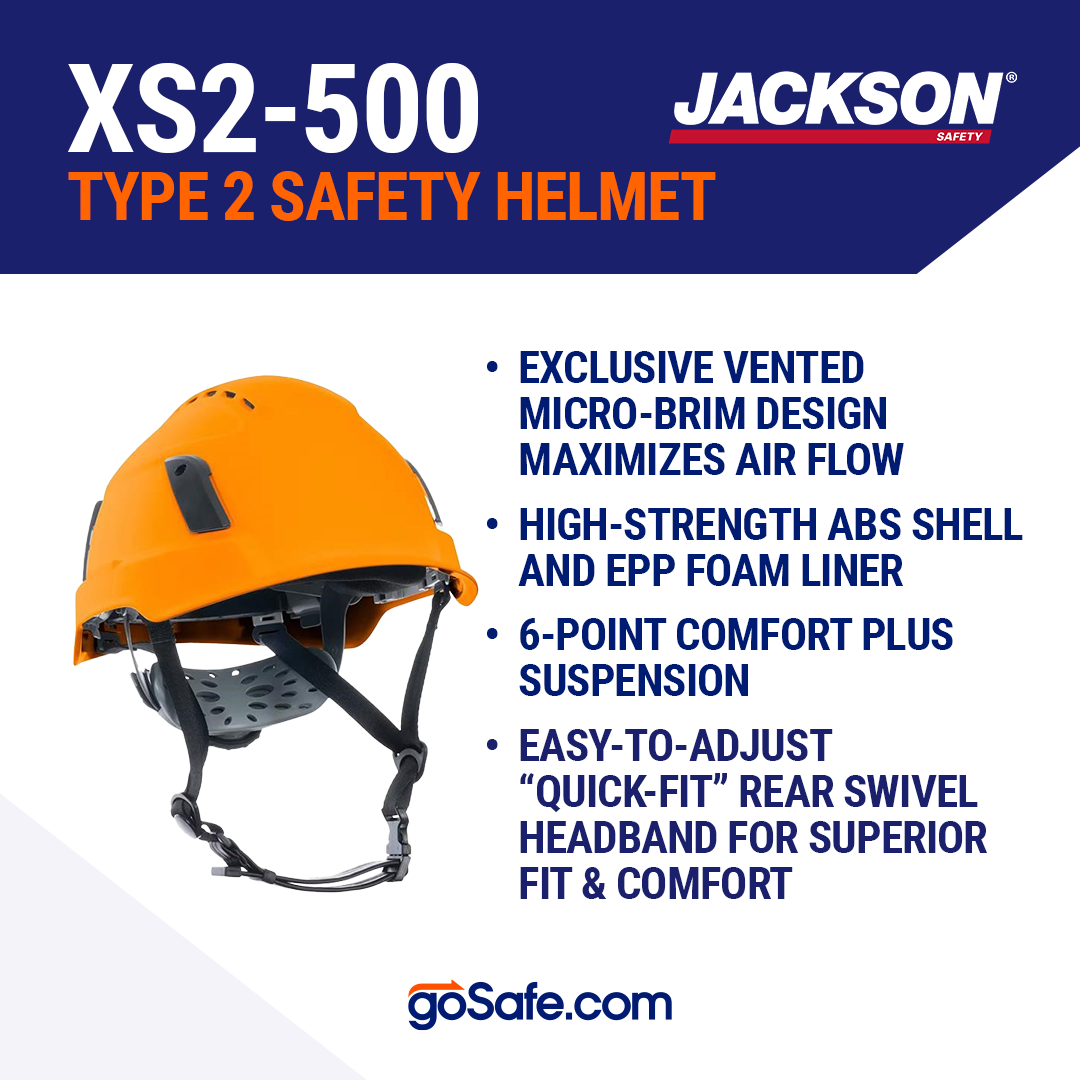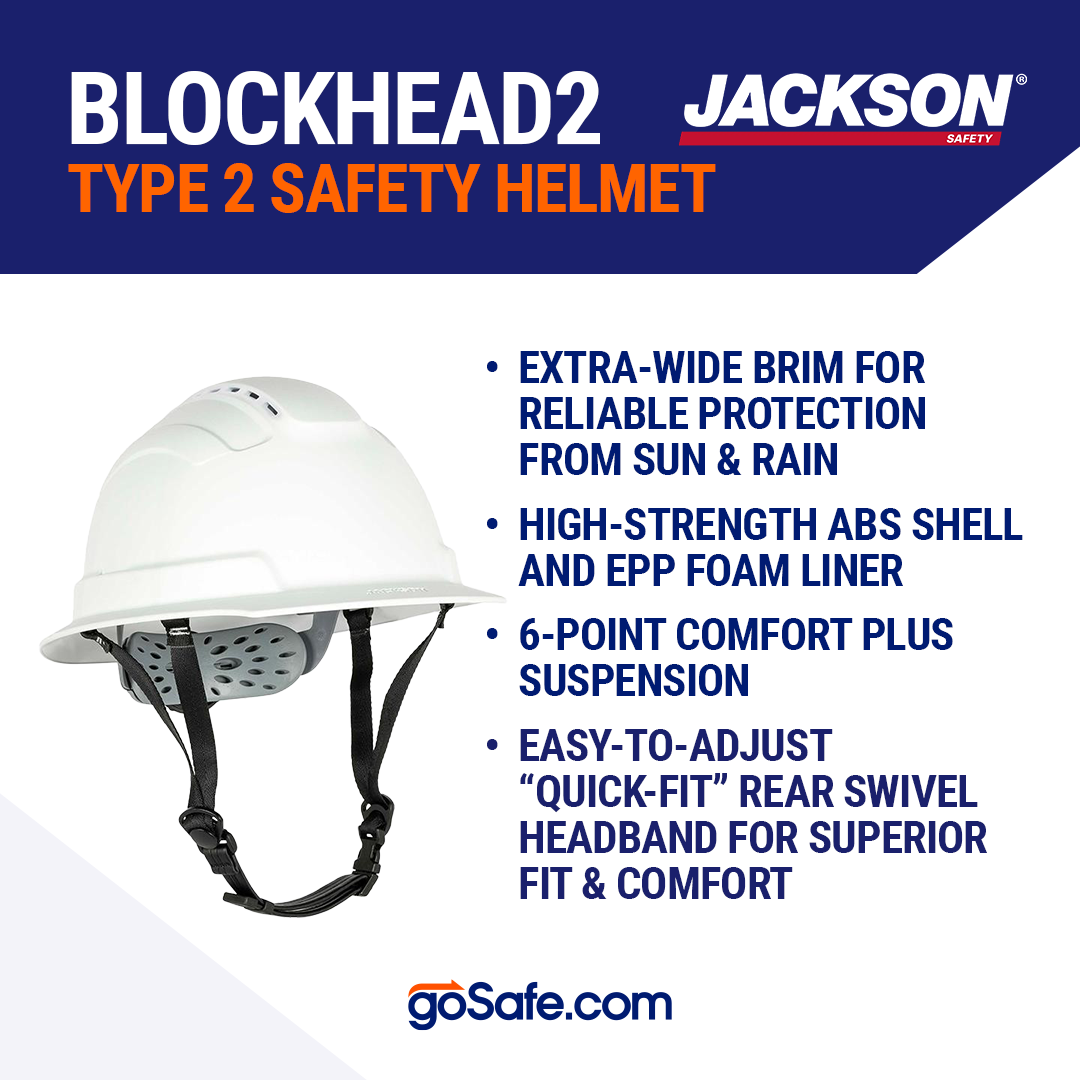


The safety industry is currently witnessing a significant shift. Traditional hard hats are increasingly being swapped for Type 2 safety helmets—those sleek, climber-style lids with chin straps. While this move offers enhanced lateral impact protection, it has introduced a complex challenge: Accessory Integration.
When you start snapping on face shields, welding hoods, and ear muffs, you aren't just "customizing" your gear; you’re altering a precision-engineered safety system. If those components weren't designed to work together, you might be trading one risk for another.
The "Frankenstein" Helmet: Why Mixing Brands is Risky
It’s a common sight on job sites: a worker with a Brand A helmet, a Brand B face shield bracket, and Brand C hearing protection. While the "universal" adapters might seem to click into place, they often create a "Frankenstein" assembly that hasn't been tested as a single unit.
1. The Death of the Dielectric Rating
One of the most overlooked risks involves Class E (Electrical) and Class G (General) ratings.
- The Conflict: Many third-party attachments use metal screws, rivets, or conductive brackets to secure face shields or lights.
- The Consequence: Adding a metal component to a Class E helmet can instantly bridge the path for an electrical arc, effectively voiding the helmet's dielectric strength and putting the wearer at risk of electrocution.
2. Compromising Type 2 Stability
Type 2 helmets are specifically designed to protect against impacts to the front, back, and sides, not just the top. They rely on a precise center of gravity.
- The Conflict: Heavy, non-integrated welding hoods or lighting systems can pull the helmet forward or tilt it to the side.
- The Consequence: This imbalance can cause the suspension system to fail during an impact or lead to chronic neck strain and "helmet fatigue," tempting workers to leave the chin strap undone—negating the helmet's primary benefit.
ANSI Z89.1: The Compliance Reality Check
The ANSI/ISEA Z89.1 standard is clear, yet often misunderstood. When a manufacturer certifies a helmet, they certify it in the condition it was tested.
Crucial Rule: Any accessory added to a head protector must not degrade the performance of the helmet. ANSI Z89.1 warns that users should only use accessories specifically authorized by the helmet manufacturer.
Voiding the Certification
If you drill holes into a shell to mount a lamp or use a bracket that puts undue stress on the accessory slots, you have likely voided the ANSI/CSA certification. In the event of an accident, an "out of compliance" helmet can lead to denied insurance claims and OSHA citations.
The Solution: Manufacturer-Approved Integrated Systems
The safest way to build a multi-hazard protection kit is to stick to Integrated Systems. Modern manufacturers now design "ecosystems" where the helmet, shield, and earmuffs are tested together.
Benefits of Integrated Systems:
- Weight Distribution: Accessories are counterbalanced to maintain the helmet's natural pivot point.
- Non-Conductive Materials: Integrated brackets are typically made of high-strength polymers to maintain Class E ratings.
- Seamless Transitions: Face shields that "nest" perfectly against the shell when flipped up, reducing snag hazards.
- Tested Peak Force: Ensuring that the addition of a shield doesn't increase the force transmitted to the neck during a fall.
Summary Checklist for Compliance
Before you head out to the site with your new setup, ask yourself:
- Is it Brand-Matched? Does the manufacturer of the helmet specifically list this accessory as compatible?
- Does it Maintain the Class? If I'm working near high voltage, does this attachment use any metal?
- Is the Type 2 Integrity Intact? Does the helmet still sit level on my head with the shield attached?
Safety isn't just about wearing the gear; it's about ensuring the gear can actually do its job when things go wrong. Don’t let an inexpensive "universal" bracket compromise an expensive - and effective - safety helmet.
For more comprehensive information on Head and Face Protection, including Type 1 & II Helmets, Traumatic Brain Injury (TBI), MIPS Technology, and other related topics please CLICK HERE. To visit our Head & Face Protection FAQ page, CLICK HERE.
goSafe offers a wide variety of Head & Face Protection, and we feature an onsite Customization Department that can customize your head protection with your company logo. We also maintain a constant, ready-to-ship supply of FR Clothing and Safety Footwear. For more information on these products or any of our other safety and PPE products, please contact us at sales@gosafe.com.
goSafe: Your Partner in Safety
At goSafe, Safety is our ONLY focus - and we'll partner with you to keep you and your teams safe. We're small enough to handle your local projects, yet large enough to serve national accounts. If safety is your mission, it starts with us.
Watch the video below for more information about goSafe's capabilities.