

More Than Just a Label: A Field Guide to ANSI Z87.1-2020 Markings
You’ve seen the stamp. It’s usually tucked away on the inside of the temple arm or etched into the corner of the lens: Z87.
In the world of industrial safety, those three characters are often treated as a "pass/fail" grade. If it says Z87, you’re good to go, right? Not exactly. While that mark confirms the eyewear meets the base safety standards set by the American National Standards Institute (ANSI), the letters and symbols that follow it are what actually determine if you’re protected from a flying metal shard or just a stray splash of cleaning fluid.
It’s time to stop treating your safety gear like a "one size fits all" solution. Let’s decode the 2020 update to the ANSI/ISEA Z87.1 standard so you can ensure your eyewear actually matches your environment.
1. The Big One: Impact vs. Non-Impact
The most critical distinction in the Z87.1-2020 standard is how the eyewear handles a hit. If your job involves grinding, chipping, or power tools, the "+" is your best friend.
- Z87 (Non-Impact Rated): These are "Basic Impact" protectors. They are tested for things like light debris, but they aren't designed to withstand high-velocity projectiles.
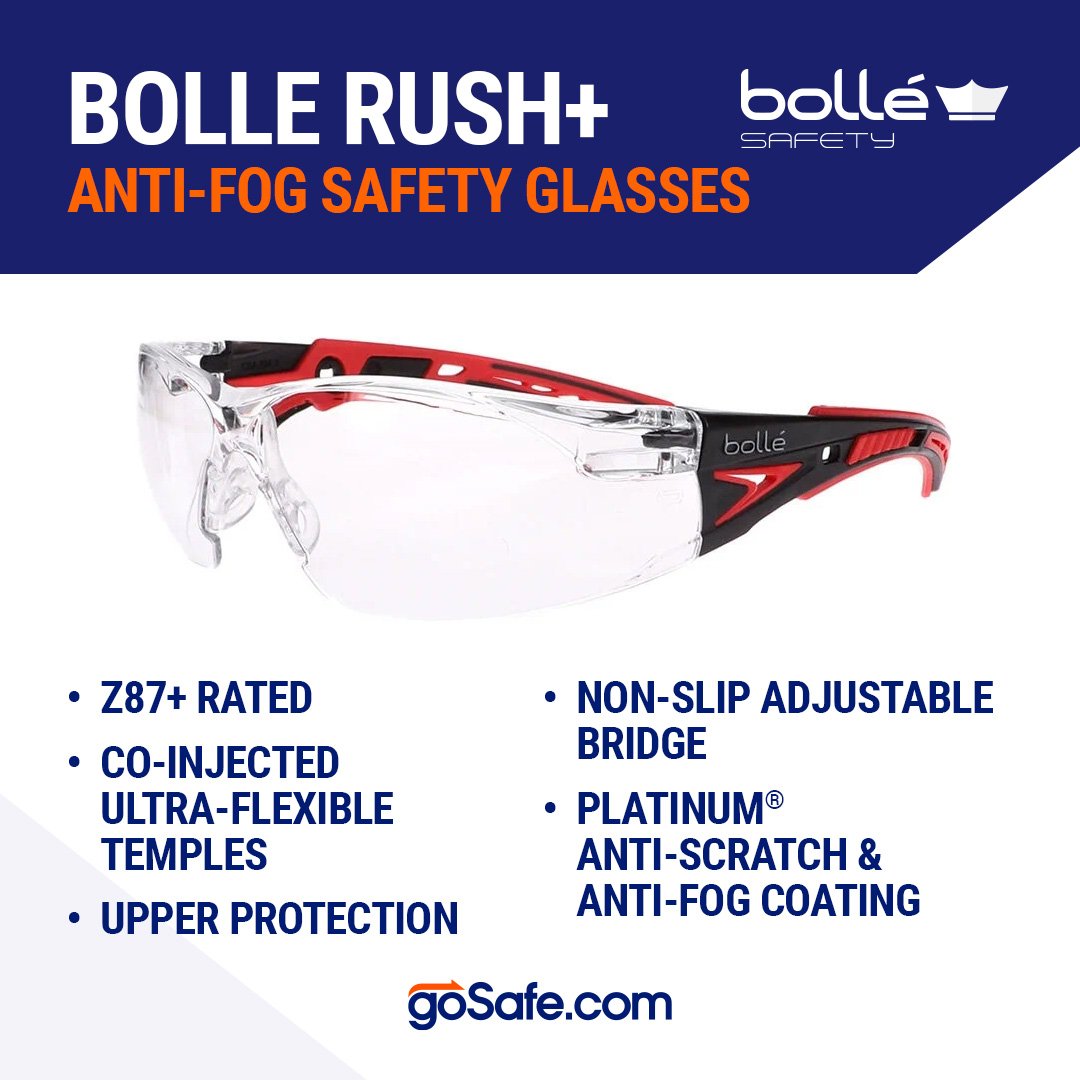
- Z87+ (Impact Rated): The plus sign indicates the eyewear has passed the High-Velocity and High-Mass Impact tests. To earn this, the lens must withstand a quarter-inch steel ball traveling at 150 feet per second without cracking or popping out of the frame.
- *Z87-2+ (High -Velocity Impact Rated): This rating is identical to the Z87+ rating in terms of impact protection, with the '-2' indicating that the eyewear is Prescription.
2. The "D" List: Dust, Splash, and Fine Dust
If you work in a chemical plant or a woodworking shop, impact isn't your only enemy. The 2020 standard uses "D" markings to identify eyewear designed for specific environmental hazards.
| Marking | Hazard Protection | Design Requirement |
| D3 | Splash & Droplet | Tight seal around the eyes; tested with liquid spray |
| D4 | Dust | Protects against large airborne particles |
| D5 | Fine Dust | Protects against particles smaller than 5 microns |
Pro-Tip: If you see a "D3" mark, those glasses or goggles are chemically resistant. If you’re working with hazardous liquids and your glasses don’t have a D3, you’re essentially wearing a screen door against a rainstorm.
3. Specialized Filters and the "S"
The Z87.1-2020 standard also covers how lenses filter light. You’ll often see these marks followed by a number (like U6 or L3) to indicate the level of protection.
- S (Special Purpose): This means the lens has a unique tint or property that doesn't fit into standard categories (like a specific color for inspection work). Use these with caution; they may affect how you perceive colors like traffic lights or warning signs.
- U (UV Filter): Protects against ultraviolet radiation.
- R (IR Filter): Protects against Infrared radiation (common in welding/foundry work).
- L (Visible Light Filter): A standard sunglass-style tint.
- W (with Shade Number): Welding protection (Typically 1.3 in glasses all the way up to 14 on helmets).
The 2020 Update: Why it Matters
The 2020 revision wasn't just a "copy-paste" of the 2015 version. It placed a heavier emphasis on Anti-Fog (Marked with an "X") and Relaxed Optics.
In the modern manufacturing environment, fogging is one of the leading reasons workers remove their safety glasses - usually at exactly the wrong time. Anti-fog safety eyewear undergoes rigorous testing, primarily under European standard DIN EN 168, which requires lenses to remain fog-free for at least 8 seconds in a controlled, warm, and humid environment, often marked with an "N" - meaning the lens has passed the mandatory anti-fog tests, or "X" - often used in conjunction with premium coatings like Bolle's 'Platinum®' coating to indicate superior, long-lasting anti-fog properties that often exceed standard requirements. If your lenses are treated with a permanent anti-fog coating that meets the new rigorous testing, you’ll see the "X" mark.
Your Field Checklist
Before you start your next shift, perform this quick audit on your eyewear:
- Check the Frame: Look for the manufacturer's mark and the Z87 (or Z87+) stamp.
- Check the Lens: High-impact lenses must have the manufacturer’s mark and the + sign.
- Match the Hazard: * Flying chips? Look for the +.
- Chemical spray? Look for D3.
- Woodworking/Sanding? Look for D4 or D5.
- Check Condition: If those markings are scratched off or the frame is pitted, the rating is effectively void. Replace them.
Safety eyewear is a piece of technology, not just a piece of plastic. By knowing how to read the markings, you aren’t just following a mandate - you’re ensuring you go home with the same number of eyes you started with.
goSafe offers a wide variety of Safety Eyewear; we also operate an onsite Customization Department that can customize many styles of eyewear with your company logo. goSafe maintains a constant, ready-to-ship supply of FR Clothing and Safety Footwear, and also partners with Bollé Safety in their Seamless Vision Prescription Safety Eyewear Program. To view all of our articles about Safety Eyewear in one place, CLICK HERE. For more information on these products and services or any of our other safety and PPE products, please contact us at sales@gosafe.com.
goSafe: Your Partner in Safety
At goSafe, Safety is our ONLY focus - and we'll partner with you to keep you and your teams safe. We're small enough to handle your local projects, yet large enough to serve national accounts. If safety is your mission, it starts with us.
Watch the video below for more information about goSafe's capabilities.